Useful knowledge. Ready for real work.
Original guides for campaign teams, designers, buyers, printers and installers. Every guide connects to a practical next step.
154 original guides
An incomplete request can still become a useful brief
Turn “we need some graphics” into a controlled draft with named gaps, dimensions and decisions.
Read the guide 3 mincampaignsGive every campaign decision an owner
Use a small responsibility map to stop approvals, measurements and delivery arrangements falling between teams.
Read the guide 3 mincampaignsPlan backwards from installation, with real lead times
Build a timeline that reveals dependencies and distinguishes your planning assumptions from supplier promises.
Read the guide 3 mincampaignsCount a rollout by site and variant
Make quantity arithmetic traceable before it turns into the wrong boxes arriving at the right stores.
Read the guide 3 mincampaignsHandle a late change without losing the accepted job
Write a variation that shows which artwork, quantities, dates and decisions must change.
Read the guide 3 mincampaignsClose this campaign so the next one starts faster
Keep useful assets and decisions while preventing old artwork and outdated promises returning by accident.
Read the guide 3 minartworkKeep trim, bleed and safe areas distinct
Prepare artwork geometry using the selected provider’s template and finishing instructions.
Read the guide 3 minartworkCalculate resolution at the final output size
Use pixel dimensions and finished size to make an image-resolution question concrete.
Read the guide 3 minartworkWrite the scale into the artwork handover
Make reduced-size artwork unambiguous when it represents a larger physical graphic.
Read the guide 3 minartworkApprove a proof for a named purpose
Separate content, visual, technical and commercial decisions so approval means what everyone expects.
Read the guide 3 minartworkSend one controlled file pack to the selected supplier
Replace ambiguous attachments with a manifest that ties files to a specification and approval scope.
Read the guide 3 minartworkAgree how colour will be judged
Record the accepted reference and viewing conditions before different teams compare different things.
Read the guide 3 minmaterialsSpecify the complete material assembly
A useful specification includes layers, finishing, mounting and the intended use, rather than only a generic material name.
Read the guide 3 minmaterialsBrief a commercial print job beyond paper size
Give the printer the information needed to quote and prepare leaflets, booklets, cards and campaign literature.
Read the guide 3 minmaterialsCheck a replacement textile against the actual frame
Measure retained hardware and confirm the edge detail before ordering a new fabric graphic.
Read the guide 3 minmaterialsStart a window-film brief with the glass and viewing side
Collect surface and application details before choosing an adhesive graphic.
Read the guide 3 minmaterialsDescribe a rigid sign by its construction and fixing needs
Make panel, print, edge and mounting requirements visible before fabrication.
Read the guide 3 minmaterialsBrief labels and packaging as a complete application
Connect artwork to the container, converting specification and real use conditions.
Read the guide 3 minmaterialsAsk better questions about material evidence
Check which exact product and claim a document supports before adding a badge to a campaign.
Read the guide 3 minequipmentOrganise the equipment you already own
Create an inventory that supports the next booking, pick list and replacement-graphic brief.
Read the guide 3 minequipmentReserve equipment for the whole unavailable interval
Include travel, setup and return inspection so one frame is not promised to two campaigns.
Read the guide 3 minequipmentBuild a pick list from components, not a product nickname
A display kit is ready only when the required parts and instructions are present.
Read the guide 3 minequipmentInspect returns before making equipment available
Use condition and custody records to turn a returned box into a reliable asset state.
Read the guide 3 minsuppliersWrite an RFQ for the supplier you choose
Ask for a comparable response while sharing only the information needed for the requested work.
Read the guide 3 minsuppliersRead a supplier listing without assuming endorsement
Distinguish a source reference, a claimed capability and a verified scope before shortlisting.
Read the guide 3 minsuppliersCompare quotations using the same scope
Make exclusions and accepted services visible before looking at an external total.
Read the guide 3 minsuppliersSeparate delivery receipt from acceptance of the work
Record what arrived, what was checked and which problems still need resolution.
Read the guide 3 mininstallationCollect the survey information a sign quotation needs
Provide measured facts, access constraints and unresolved questions before anyone prices the installation.
Read the guide 3 mininstallationGive installers a site-specific handover
Connect labels, item references and actual instructions so the intended kit reaches the intended position.
Read the guide 3 mininstallationStart wayfinding with the visitor’s journey
Plan where decisions happen before choosing the size and style of the signs.
Read the guide 3 mineventsPlan against the event edition, not just its name
Check dates, venue and the current exhibitor manual before reusing last year’s plan.
Read the guide 3 mineventsUse a stand plan to organise questions and quantities
A measured concept can coordinate graphics while leaving structural and venue acceptance to responsible reviewers.
Read the guide 3 mineventsPlan de-rig while planning the event
Define what returns, what changes custody and what needs a confirmed recovery route.
Read the guide 3 minopportunitiesFind an opportunity at its official source
Separate a live invitation, a future pipeline notice and a completed award before investing bid time.
Read the guide 3 minopportunitiesBuild a tender matrix that points back to the requirement
Keep source clauses, response owners and actual evidence together without automating declarations.
Read the guide 3 minopportunitiesKeep budget, commitment and actual spend distinct
Organise private campaign finance without turning quotations into public prices or assuming an agreement exists.
Read the guide 3 minnewsTurn an industry announcement into a practical question
Read source-linked industry information with attention to date, evidence and the job it might affect.
Read the guide 3 minnewsUse research metadata to find evidence, then read its scope
A title or abstract can help discovery without proving a conclusion for your product.
Read the guide 3 minmaterialsConfirm a recovery route for the finished graphic
Ask about the actual assembly, contamination, collection and destination before using a recycling statement.
Read the guide 3 mincommunityShare the proof, not the whole client workspace
Define the smallest useful package for an external reviewer or selected supplier.
Read the guide 3 minlearnUse a worked example without turning fiction into a case study
Learn from a realistic campaign structure while keeping invented customers and outcomes clearly labelled.
Read the guide 3 mincommunityAsk a production question another person can answer
Share useful context and evidence without exposing private project information.
Read the guide 3 minlearnAutomate the chase for missing facts, without inventing them
Use deterministic checks to make a campaign draft more complete while keeping decisions with responsible people.
Read the guide 3 mincampaignsPrepare a campaign handover another colleague can use
Prepare a compact handover that preserves current decisions, open work and the records a new colleague needs.
Read the guide 3 minartworkGive designers a brief they can act on
Give designers a clear communication problem, measured constraints and an explicit review route.
Read the guide 3 minartworkChoose the correct artwork template for a system
Match a template to the exact system, configuration and production convention before placing artwork.
Read the guide 3 minartworkRun a simple approval link workflow with external colleagues
Prepare an external review that names the version, decision scope and access boundary.
Read the guide 3 minartworkManage multilingual campaign artwork without losing ownership
Keep each language version tied to an approved content owner, proof and site allocation.
Read the guide 3 minartworkLock brand elements while allowing local information
Define which brand elements stay fixed and which local fields may change under named authority.
Read the guide 3 minartworkResolve contradictory feedback from several reviewers
Resolve conflicting feedback through the responsible decision owner before creating another proof.
Read the guide 3 minartworkCreate an artwork archive that people can actually search
Organise an artwork archive around purpose, variants, rights and accepted versions rather than filename guesses.
Read the guide 3 minartworkRecognise missing fonts and substitution risks
Treat font availability, substitution and licensed use as explicit file-preparation questions.
Read the guide 3 minartworkUnderstand transparency and overprint checks
Route transparency and overprint questions through the actual production file, profile and provider workflow.
Read the guide 3 minartworkPrepare cut paths as part of a controlled specification
Define cut geometry, finishing intent and file conventions with the selected provider.
Read the guide 3 minartworkHandle files with embedded links and external assets
Keep linked assets, embedded content and their permissions traceable through the authoring and output workflow.
Read the guide 3 minartworkPreserve a production file without silently editing it
Preserve the accepted production artifact and make every correction an attributable new version.
Read the guide 3 minmaterialsRecord knit weave coating and finish information
Record textile construction and finishing as distinct facts instead of inferring properties from a generic fibre label.
Read the guide 3 minmaterialsPrepare requirements for cleaning and repeated handling
Agree cleaning and handling requirements for the actual textile graphic and retained system.
Read the guide 3 minmaterialsCompare single-sided and double-sided display needs
Compare viewing requirements, print arrangement and complete assemblies for one-sided and two-sided displays.
Read the guide 3 minequipmentRecord packing and crease-management instructions
Keep packing and crease questions tied to the actual printed textile, transport and storage method.
Read the guide 3 minmaterialsCompare opaque translucent and transparent graphic needs
Compare optical requirements for the complete graphic rather than treating opaque, translucent and transparent as interchangeable labels.
Read the guide 3 minmaterialsCheck application temperature and preparation instructions
Use current product-specific preparation and application instructions for the actual surface and conditions.
Read the guide 3 minmaterialsUnderstand the role of a release liner in a finished job
Record a release liner as a distinct component and plan its handling rather than assuming it shares the finished graphic’s route.
Read the guide 3 mincampaignsPlan replacement intervals for campaign films
Plan film replacement around current message, condition and accepted product guidance instead of an invented lifetime.
Read the guide 3 minmaterialsCompare panel weight against transport and fixing needs
Use panel mass as a defined planning input, while leaving handling and fixing acceptance with responsible reviewers.
Read the guide 3 minmaterialsPrepare a timber display specification with traceable inputs
Specify timber components with product identity, intended use and traceable declared inputs.
Read the guide 3 minmaterialsInclude edge finishing and exposed surfaces in the brief
Make edge treatment and exposed surfaces part of the accepted panel requirement.
Read the guide 3 minequipmentTrack components across refurbishment work
Track retained, replaced and refurbished components through actual custody and condition records.
Read the guide 3 mininstallationIdentify when a qualified structural review is required
Recognise unresolved structural questions and route them to a qualified responsible reviewer before installation.
Read the guide 3 minartworkControl a change in ink or print process
Treat a changed ink or production process as a reviewable change to the accepted specification and appearance.
Read the guide 3 minmaterialsRecord finishing waste as an observed quantity
Record finishing waste with a defined observation boundary and actual quantities, separating estimates from outcomes.
Read the guide 3 minartworkMaintain quality checks across several production sites
Coordinate comparable quality checks across production sites while preserving each site’s actual results and process context.
Read the guide 3 minsuppliersPrepare inspection criteria a supplier can confirm
Write inspection criteria that both buyer and provider can understand and apply to the accepted job.
Read the guide 3 minsuppliersConnect quality findings to corrective action
Turn a quality finding into a specific responsible action and verify the actual remedy.
Read the guide 3 mininstallationSeparate directional information from promotional graphics
Give directional and promotional information different roles so visitors can find their destination without decoding a campaign.
Read the guide 3 mininstallationPlan accessible contrast and readable information hierarchies
Treat contrast and information hierarchy as application-specific design inputs, then test the actual intended presentation.
Read the guide 3 mininstallationTest a conceptual sign layout before fabrication
Use a conceptual sign layout to reveal communication and placement questions before fabrication is committed.
Read the guide 3 mininstallationCoordinate temporary signs with permanent navigation
Coordinate temporary event signs with the permanent site vocabulary, routes and placement rules.
Read the guide 3 mininstallationPrepare multilingual wayfinding content
Keep multilingual destination wording, route consistency and artwork review under clear ownership.
Read the guide 3 mininstallationRecord viewing distance as a design input
Record where a message must be read so the design review addresses actual distance and approach conditions.
Read the guide 3 minequipmentBuild a fixture-specific graphics record
Connect each retail fixture to its actual graphic dimensions, attachment and current campaign variant.
Read the guide 3 mincampaignsCoordinate product information changes with approved artwork
Route changed product information through content ownership and exact artwork versions before releasing a retail update.
Read the guide 3 mincampaignsCreate local variations without duplicating the whole campaign
Make local variants from one controlled programme structure while keeping site facts and approvals distinct.
Read the guide 3 minequipmentCompare reusable frames with changing inserts
Compare retained frames and new inserts using actual fit, condition, handling and campaign requirements.
Read the guide 3 mincampaignsPlan countertop and freestanding applications separately
Give countertop and freestanding graphics their own physical, viewing and site requirements.
Read the guide 3 minequipmentRecord missing or damaged point-of-sale items
Record missing and damaged retail items at the level needed for a responsible replacement or remedy.
Read the guide 3 minequipmentDesign a return flow for campaign components
Give campaign components a practical return path with ownership, collection and inspection responsibilities.
Read the guide 3 mineventsCoordinate graphics with rented stand components
Match graphics to rented stand components using the owner’s exact configuration, template and permitted-use requirements.
Read the guide 3 mineventsManage last-minute exhibitor information changes
Keep last-minute exhibitor content changes traceable across proofs, organiser submissions and supplier commitments.
Read the guide 3 mineventsExplain a reusable-stand framework within its actual scope
Describe a reusable-stand framework within its actual published scope and keep programme outcomes evidence-based.
Read the guide 3 mincampaignsCoordinate artwork and approval across departments
Coordinate departmental review through named decision scopes and one controlled artwork trail.
Read the guide 3 mincampaignsBuild a branch ordering workflow with defined authority
Define what branches may request, confirm and authorise in a programme ordering workflow.
Read the guide 3 mincampaignsUse a shared calendar without revealing other clients
Show useful shared scheduling information while preserving each client’s private records and explicit permissions.
Read the guide 3 minsuppliersPlan regional production and delivery decisions
Compare regional production and delivery against the actual programme scope, provider capacity and site constraints.
Read the guide 3 mincampaignsPrepare a programme dashboard that shows real exceptions
Build a programme view around actionable exceptions supported by actual records.
Read the guide 3 mincampaignsCoordinate an emergency replacement across locations
Coordinate an urgent replacement without losing version, authority or site-specific scope.
Read the guide 3 mincampaignsReport progress without inventing a completed rollout
Report each rollout stage using actual evidence so planned, delivered and installed work stay distinguishable.
Read the guide 3 mincampaignsExport programme records for an internal review
Export a programme review that explains scope, versions, actual outcomes and unresolved actions without exposing unnecessary private data.
Read the guide 3 mininstallationPrepare an outdoor graphic brief with exposure conditions
Describe outdoor exposure as factual context for the responsible material and installation decisions.
Read the guide 3 mininstallationSeparate design concepts from installation engineering
Use design concepts for communication while preserving the distinct authority of accepted installation engineering.
Read the guide 3 mininstallationPlan installation around site opening and access windows
Build installation schedules from accepted site access windows and real provider dependencies.
Read the guide 3 mininstallationRecord competent review of unusual structures
Keep competent review records tied to the exact unusual configuration, actual site and accepted conditions.
Read the guide 3 mininstallationPrepare weather-related contingency questions
Prepare weather contingency questions for the responsible provider instead of inventing universal operating limits.
Read the guide 3 minmaterialsDocument accepted substrate and surface preparation
Keep accepted substrate and surface-preparation records connected to the actual product, site and installer.
Read the guide 3 mininstallationCoordinate permits and site permissions as explicit tasks
Make site permissions and any required consent questions visible tasks with actual owners and evidence.
Read the guide 3 mininstallationPlan safe removal through an authorised delivery team
Plan removal through the responsible delivery team, using actual site conditions, instructions and custody arrangements.
Read the guide 3 mincampaignsOrganise recruitment-event displays across departments
Coordinate recruitment-event graphics across departments using one programme matrix and separate content owners.
Read the guide 3 minequipmentBuild an open-day graphics inventory
Inventory the actual graphics and display kit needed for an open day, with current message and condition states.
Read the guide 3 mininstallationCoordinate campus wayfinding and temporary promotions
Coordinate campus promotion with existing destination names, arrival routes and temporary-event access.
Read the guide 3 minequipmentPlan exhibition changeovers with retained structures
Plan exhibition changeovers around retained structures, accepted condition and new graphic requirements.
Read the guide 3 mincampaignsPrepare a museum graphic brief with specialist constraints
Give a museum graphic brief explicit content, object, environmental and installation questions for its specialist owners.
Read the guide 3 mincampaignsManage seasonal attraction signage
Keep seasonal attraction messages, route changes and retained sign condition current through a defined review cycle.
Read the guide 3 mincampaignsKeep property marketing-suite graphics current
Keep property marketing-suite graphics tied to current approved information, exact artwork and site-specific fixtures.
Read the guide 3 mincampaignsPrepare sports-venue campaign graphics for several events
Coordinate sports-venue graphics by event, position, rights and actual retained equipment.
Read the guide 3 minmaterialsRecord durability and cleaning requirements for public spaces
Translate public-space use and cleaning practices into product-specific questions for the complete graphic assembly.
Read the guide 3 mincampaignsCoordinate public-facing information with approved content owners
Keep public-facing information tied to its accountable source owner across graphic formats and local variants.
Read the guide 3 mineventsCreate a venue handover for recurring displays
Prepare a recurring-display handover that combines retained site facts with current programme decisions.
Read the guide 3 minequipmentDocument the next use of a temporary exhibition component
Document a temporary exhibition component’s next proposed use without presenting storage or intention as completed reuse.
Read the guide 3 minopportunitiesRecord relevant experience with the correct delivering entity
Keep experience evidence tied to the organisation and actual role that performed the work.
Read the guide 3 minopportunitiesPrepare samples as part of a controlled tender programme
Plan tender samples as controlled outputs connected to the buyer’s actual instruction and evidence criteria.
Read the guide 3 minopportunitiesPrepare a handover from award to contract delivery
Transfer an awarded procurement into an operational scope without losing accepted obligations, exclusions or evidence.
Read the guide 3 minsuppliersSeparate production capacity from lead time
Ask separately whether a provider can take the work and how long its accepted process needs.
Read the guide 3 minsuppliersMaintain accurate service-area and availability information
Maintain service-area and availability statements as dated provider claims with precise scope.
Read the guide 3 minsuppliersInvite subcontractors with controlled project access
Give subcontractors only the package and authority needed for their accepted contribution.
Read the guide 3 minsuppliersStop new allocations while completing existing work
Separate a pause on new allocations from the responsible completion or transition of accepted work.
Read the guide 3 minsuppliersExport an orderly supplier handover
Export an orderly supplier handover with current scope, versions, private boundaries and open decisions.
Read the guide 3 minlearnBuild a useful exception queue for campaign work
Build an exception queue that names the affected record, rule, owner and next responsible action.
Read the guide 3 minlearnUse AI to draft a brief from authorised information
Use an assistant to organise authorised facts and questions while preserving proposal states and responsible decisions.
Read the guide 3 mincommunityGenerate channel-specific content from one approved record
Derive channel-specific communication from one approved source while checking rights, context and publication authority.
Read the guide 3 minlearnEvaluate an extraction assistant with representative examples
Evaluate extraction against representative authorised documents with explicit expected results and meaningful failure cases.
Read the guide 3 minlearnTurn repeated support questions into improved tools
Use repeated permitted support questions to improve the task, explanation and tool without inventing demand metrics.
Read the guide 3 minknowledgeCreate an original practical guide from a real workflow
Author a practical original guide from a defined workflow, with truthful examples, source scope and a usable next action.
Read the guide 3 mineventsCreate an event checklist an organiser can share
Prepare an organiser-shareable checklist that identifies its edition, scope, responsibilities and actual completion evidence.
Read the guide 3 minlearnUse accessible diagrams to explain a complex assembly
Explain an assembly with readable references and an equivalent component description, not a diagram alone.
Read the guide 3 mincommunityPublish project lessons with a clearly described sample
Publish useful project lessons with permission, a clear sample boundary and evidence for the described outcome.
Read the guide 3 mincommunityMeasure meaningful participation rather than inflated registrations
Measure actual useful actions with defined boundaries rather than presenting registrations or seeded records as participation.
Read the guide 3 minknowledgeKeep a large resource library current and navigable
Maintain a navigable resource library with task-specific intent, versions, sources and truthful publication states.
Read the guide 3 minsuppliersDesign proportionate participation requirements
Set participation checks around the actual graphics work, with clear evidence routes and reasons for every requirement.
Read the guide 4 minsuppliersRecord scope sites and duration in an authorisation
Make an authorisation usable by stating the actual holder, permitted activity, covered sites, dates and conditions.
Read the guide 3 minsuppliersSeparate a general licence from a project-specific licence
Keep standing licence terms separate from permissions and conditions that apply to one actual graphics project.
Read the guide 4 minsuppliersPrepare a supplier audit programme with competent reviewers
Plan supplier audits around a defined purpose, sampled evidence and reviewers competent for the actual activities being examined.
Read the guide 4 minsuppliersTrack findings and corrective action transparently
Keep each review finding connected to its criterion, evidence, owner and verified corrective-action decision.
Read the guide 4 minsuppliersHandle an appeal against a review finding
Give a disputed review finding a documented appeal route with preserved evidence, an appropriate reviewer and a reasoned outcome.
Read the guide 4 minsuppliersPreserve existing-project rights when a partner exits
Plan a partner exit by examining each existing project's actual rights, obligations and handover needs before changing access or future allocations.
Read the guide 4 minsuppliersMaintain a public authorisation register without private data
Publish a narrowly defined authorisation summary while keeping private evidence, contacts and project data out of the public register.
Read the guide 4 minknowledgeKeep customer files private through previews and exports
Inspect both the distribution copy and the delivery route before a customer preview or export leaves its intended audience.
Read the guide 4 minknowledgeRecord contact preferences by purpose and channel
Keep contact choices specific to the message purpose and communication channel, with a clear record of changes and unresolved authority.
Read the guide 4 minknowledgePrepare a source-permission register for industry content
Connect publication claims to permitted sources while keeping citation, reproduction rights and confidential disclosure as separate decisions.
Read the guide 4 minknowledgeManage staff departure without losing organisation records
Transfer campaign ownership and organisation records deliberately while ending a departing colleague’s access through the actual commissioned systems.
Read the guide 4 minknowledgeTest a backup by restoring the application
Judge a backup by a bounded restoration test that checks usable application behaviour and records what was not recovered.
Read the guide 4 minknowledgeKeep public reference data separate from private campaign data
Keep public knowledge and private campaign records on distinct publication routes, with explicit review of derived material and links.
Read the guide 4 minknowledgeReview a third-party connection before activation
Review the purpose, data flow, authority and failure behaviour of a proposed connection before an authorised owner enables it.
Read the guide 4 minknowledgeSet a retention process for documents and derivatives
Apply retention decisions to source documents, previews, exports and other copies, with evidence of the process and its limits.
Read the guide 4 minknowledgeRecord and respond to an operational incident
Respond to an operational incident with a factual timeline, responsible decisions and bounded evidence, while reviewing consequences for people and accepted work.
Read the guide 4 minPhotography & image credits
Photographs illustrate display, production and venue contexts; pictured organisations are not endorsements or verified partners.
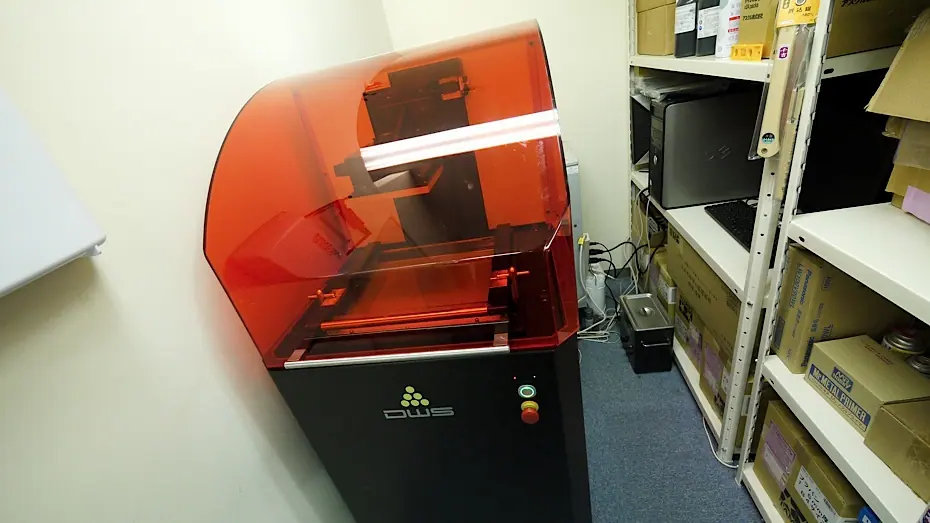
- 3D Printer (5302686968).jpg — Danny Choo from Tokyo, Japan. CC BY-SA 2.0. Resized and converted to WebP; composition retained. Display may be fitted to the layout. The optimised photograph retains those reuse terms: download image.